Pearl Stone (Moti) (Pearl Stone (Moti)) — product page with tabs and filters
Pearl Stone (Moti)
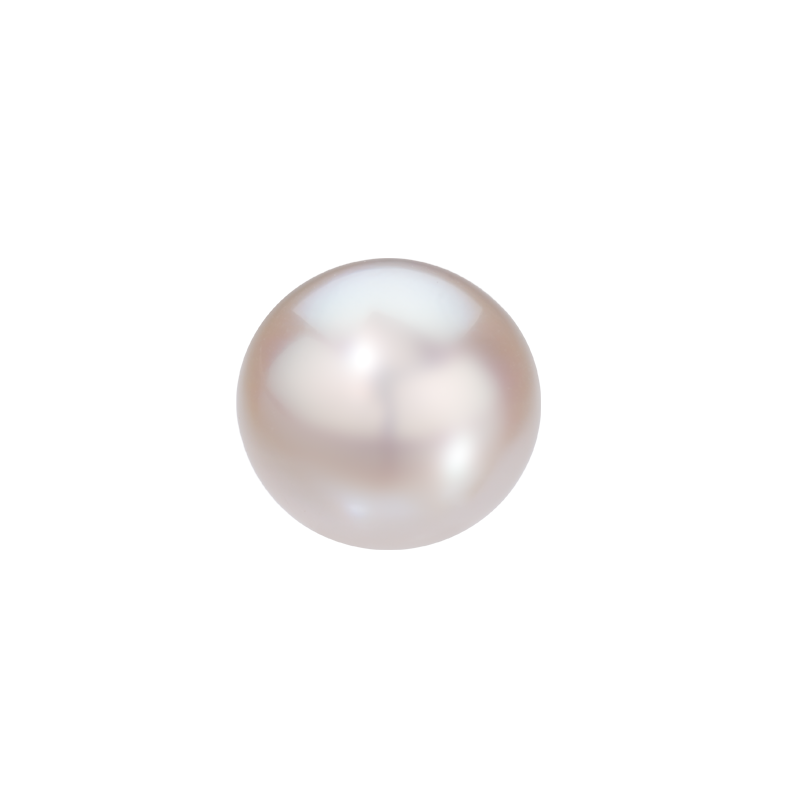
Pearl is a very prominent gemstone that is found in ocean beds.
It is worn both as jewelry and as a stone for astrological benefits.
Pearl is also known as Moti (मोती), Mukta, Induratna, Shairatna,
and Moktim.
Long ago Natural Pearl or Moti is a very prominent gemstone
ratan in Vedic astrology. In addition to its super alluring grace, it
is extremely likable for its exclusive metaphysical properties and
marvelous healing potentiality that bless its wearer with desired
zeal, calmness, and stableness. Pearl is an organic marine gem
that is found in ocean beds. This own cosmic power is famous for
many names such as ‘Chandra Ratna’, ‘Tarak Ratna’ in Hindi or
‘Mukta’ in Sanskrit, and ‘Margarita stone’ in Latin, etc. It is an
extremely prominent member of the Navratna family...
It is worn both as jewelry and as a stone for astrological benefits.
Pearl is also known as Moti (मोती), Mukta, Induratna, Shairatna,
and Moktim.
Long ago Natural Pearl or Moti is a very prominent gemstone
ratan in Vedic astrology. In addition to its super alluring grace, it
is extremely likable for its exclusive metaphysical properties and
marvelous healing potentiality that bless its wearer with desired
zeal, calmness, and stableness. Pearl is an organic marine gem
that is found in ocean beds. This own cosmic power is famous for
many names such as ‘Chandra Ratna’, ‘Tarak Ratna’ in Hindi or
‘Mukta’ in Sanskrit, and ‘Margarita stone’ in Latin, etc. It is an
extremely prominent member of the Navratna family...
There are so many types of Moktim:-
1 Natural pearls.
2 South sea pearls.
3 Basra pearls.
4 Keshi pearls.
1. Natural Pearls:- Natural pearls grow without any human
involvement whereas cultured pearls form when a farmer installs
a snail into the oyster shell. For natural pearls, the mollusk is an
organism in the water. For cultured pearls, the mollusk is
ordinarily a tiny bead.
Natural pearls look more organic or additive-free than cultured
pearls. For occurrence, they may not be as well-shaped or as
round as their look-like cultured pearl. Natural pearls are
extremely rare and most of them have already been harvested.
That’s why natural pearls are valuable/at a premium and almost
impossible to with most being sold at antique auctions.
2. South sea pearls:- South sea pearl is produced by saltwater
mollusc in salty water. South Sea pearls are bred and created
using freshwater mussels. White South Sea Pearls are Large and
Luxurious Their immensity, limited cultivation area, and long
production/ growth period all these combinations make South
Sea pearls the rarest of all pearl types. This pearl is Found in colors
Pearl Stone (Moti) is believed to bring physical, emotional, and spiritual benefits to its wearer when worn correctly.
Pearl Stone (Moti) is primarily recommended for people with a weak or afflicted Sun in their birth chart. Always consult a qualified astrologer before wearing.
Leo (Simha Rashi) — the Sun is the ruling planet of Leo, making Pearl Stone (Moti) the ideal gemstone.
Aries, Scorpio, and Sagittarius ascendants may benefit when Sun is favorably placed.
Politicians, government officers, doctors, administrators, and those in leadership roles.
Sun is lord of the 3rd, 8th, or 12th house. Taurus and Libra ascendants should generally avoid Pearl Stone (Moti) .
For maximum astrological benefit, Pearl Stone (Moti) must be worn following the correct ritual procedure.
Pearl Stone (Moti) price depends on color, clarity, cut, carat, origin, and treatment. "Pigeon blood" rubies from Burma command the highest prices.
| Grade | Origin | Price per carat | Key feature |
|---|---|---|---|
| Premium (Pigeon Blood) | Burma (Myanmar) | ₹25,000 – 50,000+ | Unheated, vivid red, GRS certified |
| Fine quality | Sri Lanka / Mozambique | ₹10,000 – 25,000 | Slight heat treatment, good clarity |
| Good quality | Thailand / Madagascar | ₹4,000 – 10,000 | Heated, minor inclusions |
| Commercial grade | Africa / Vietnam | ₹2,000 – 4,000 | Visible inclusions, strong treatment |
The Pearl Stone (Moti) market has many imitations and treated stones sold as natural. Watch out for these common issues.
Synthetic rubies (lab-grown) are chemically identical to natural ones but worth far less. Always ask for a lab certificate.
Glass-filled rubies have fractures filled with lead glass to improve transparency. These are low-quality and damage easily.
Spinel and garnet are commonly sold as Pearl Stone (Moti) . Both are red gemstones but have very different properties and values.
Heavily heated rubies are worth significantly less than unheated stones. A "no heat" certificate adds substantial value.
Always buy from reputed, certified dealers and insist on a lab certificate before any high-value purchase.
It is strongly advised to consult a qualified Vedic astrologer before wearing Pearl Stone (Moti) . Wearing it with a malefic Sun can amplify negative effects rather than positive ones.
The most reliable way is to get a certificate from GIA, GRS, or Gubelin. Real rubies have a hardness of 9 and will not scratch easily. A UV lamp test can also help identify glass-filled stones.
Most people begin to notice effects within 30 to 90 days of wearing Pearl Stone (Moti) correctly. The stone should ideally be worn continuously for at least one year for full astrological benefit.
Pearl Stone (Moti) should not be combined with blue sapphire, hessonite (gomed), or cat's eye, as these belong to planets that are enemies of the Sun. Pearl and red coral are generally compatible.
Clean with warm soapy water and a soft brush once a month. Avoid ultrasonic cleaners if your stone is glass-filled. Remove the ring before heavy physical work, swimming, or applying chemicals.
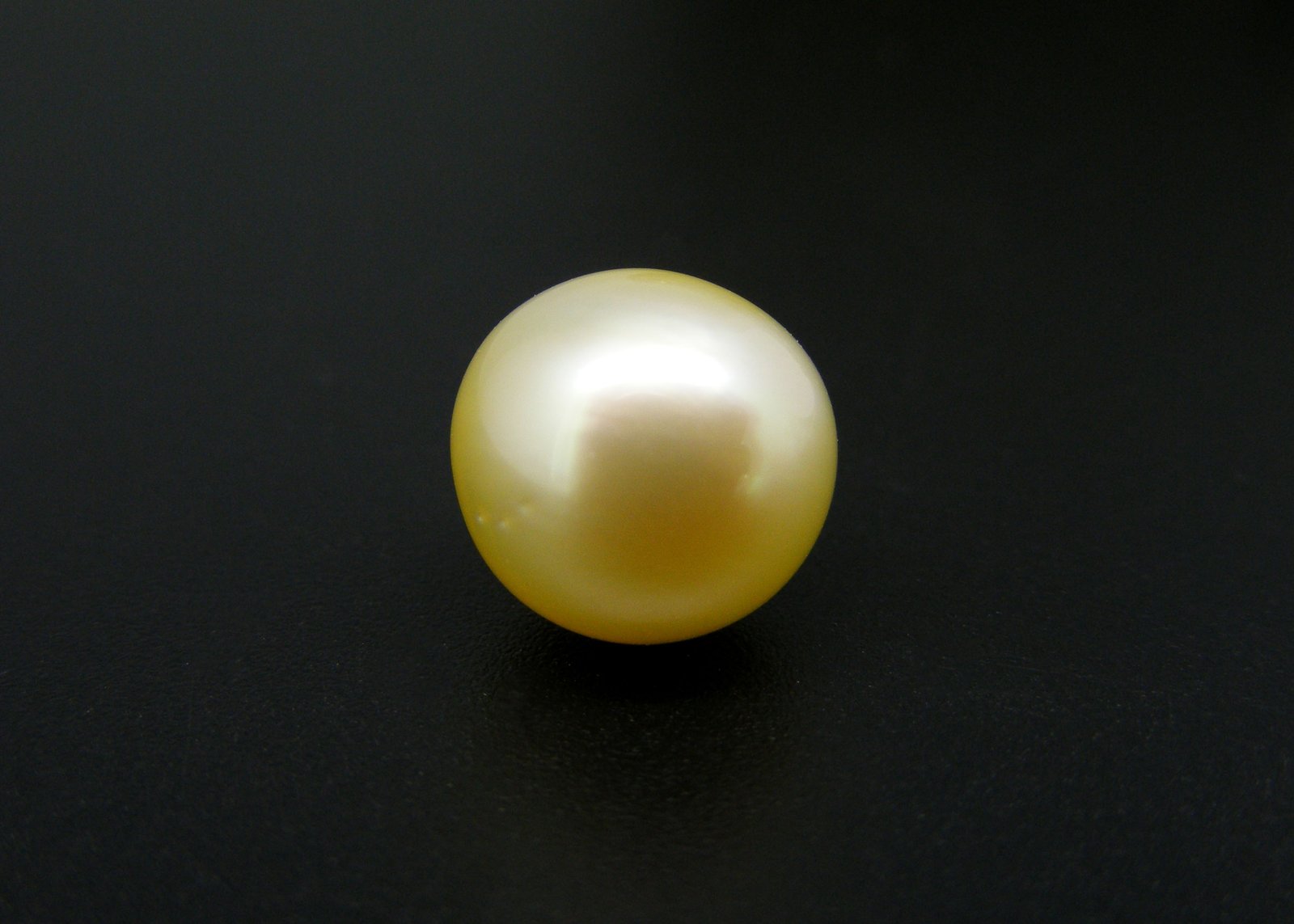
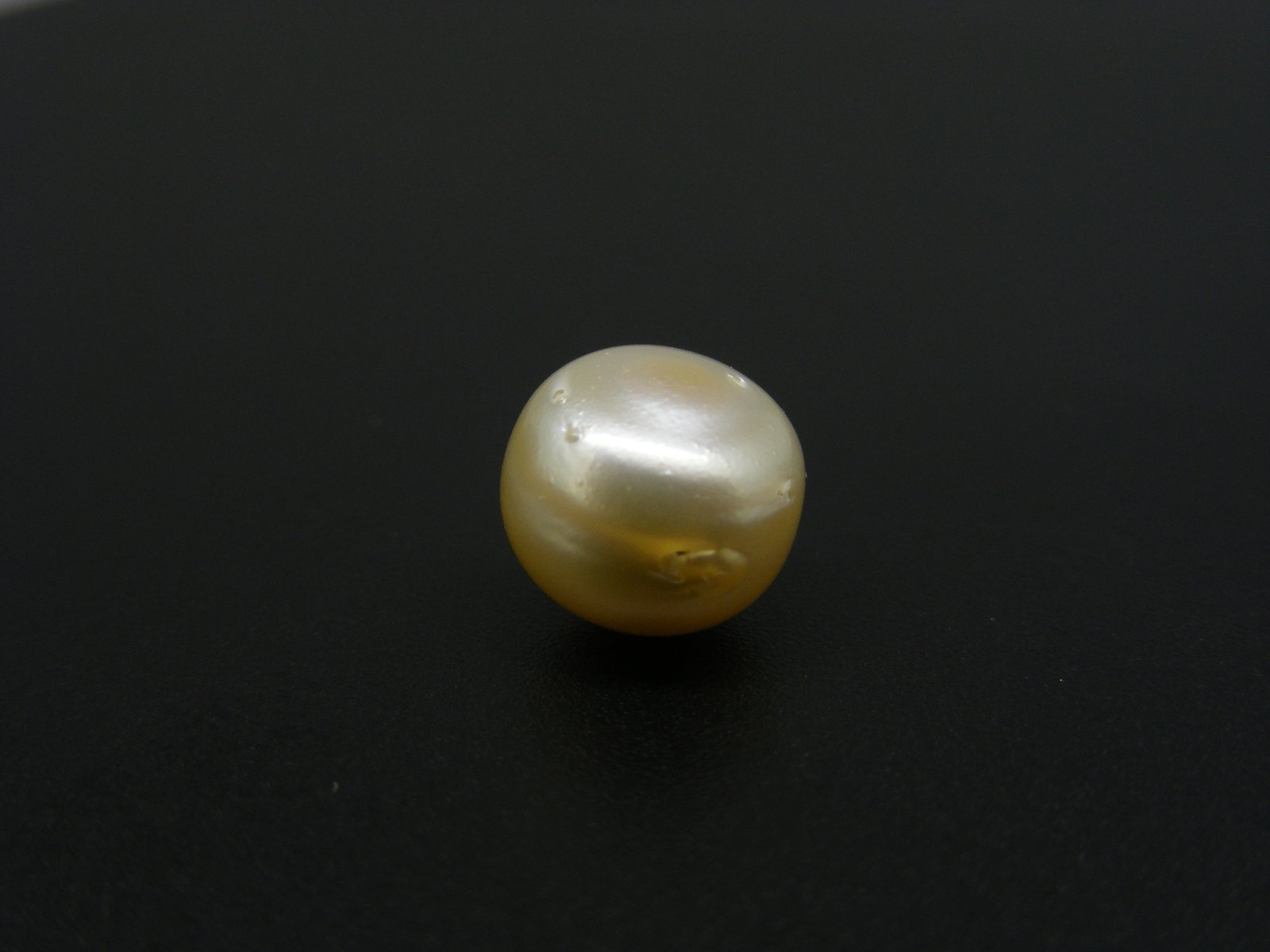
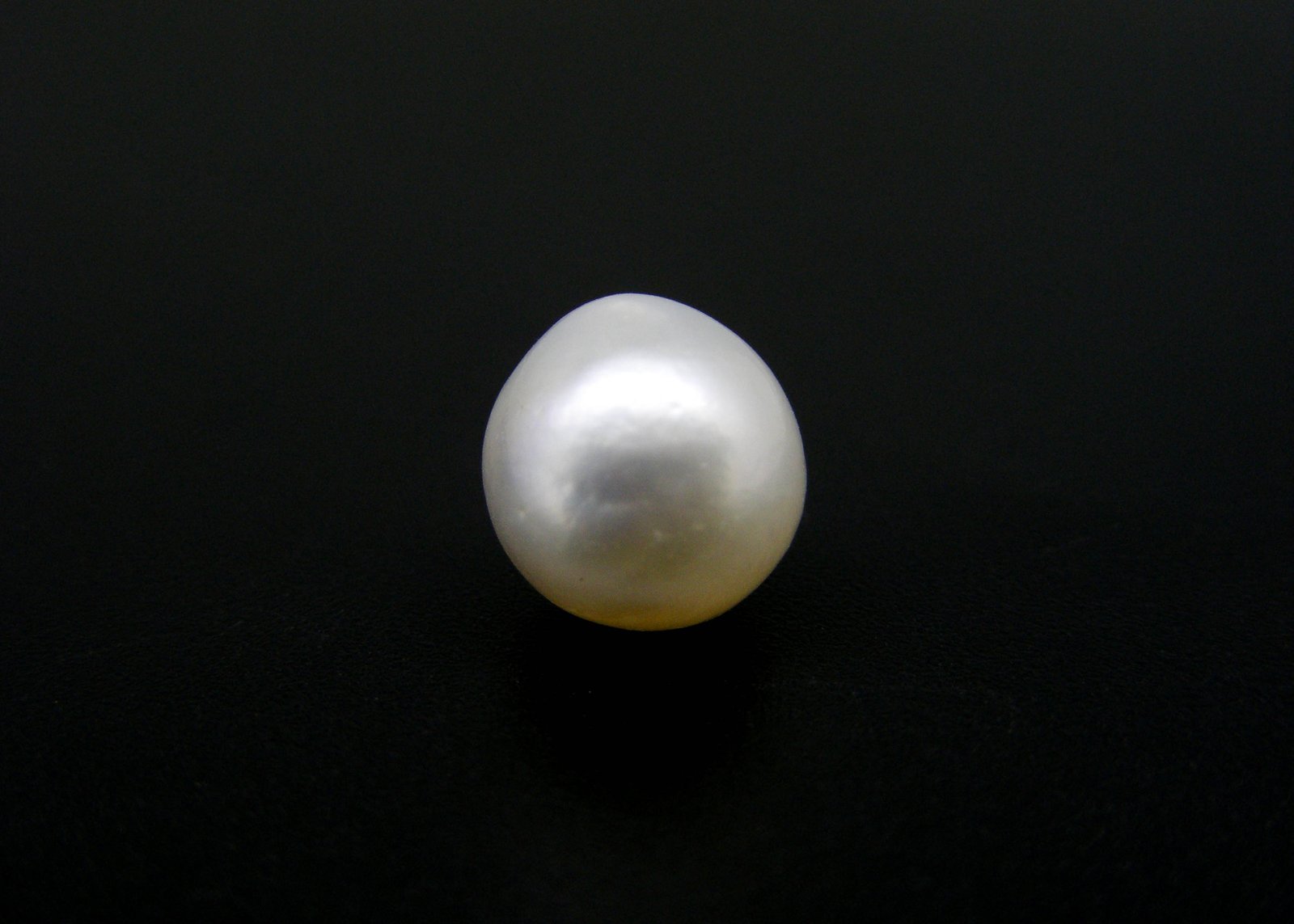
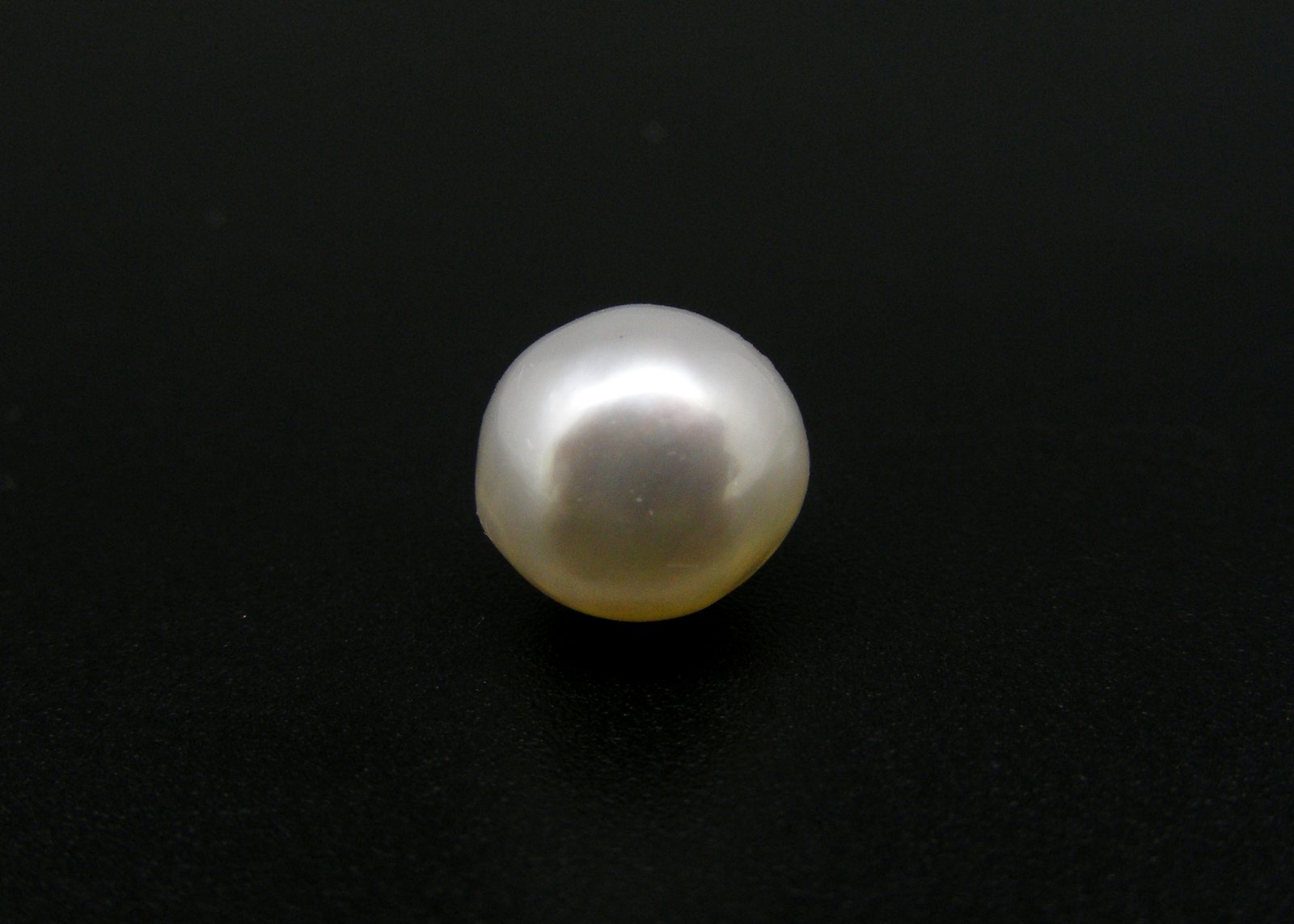
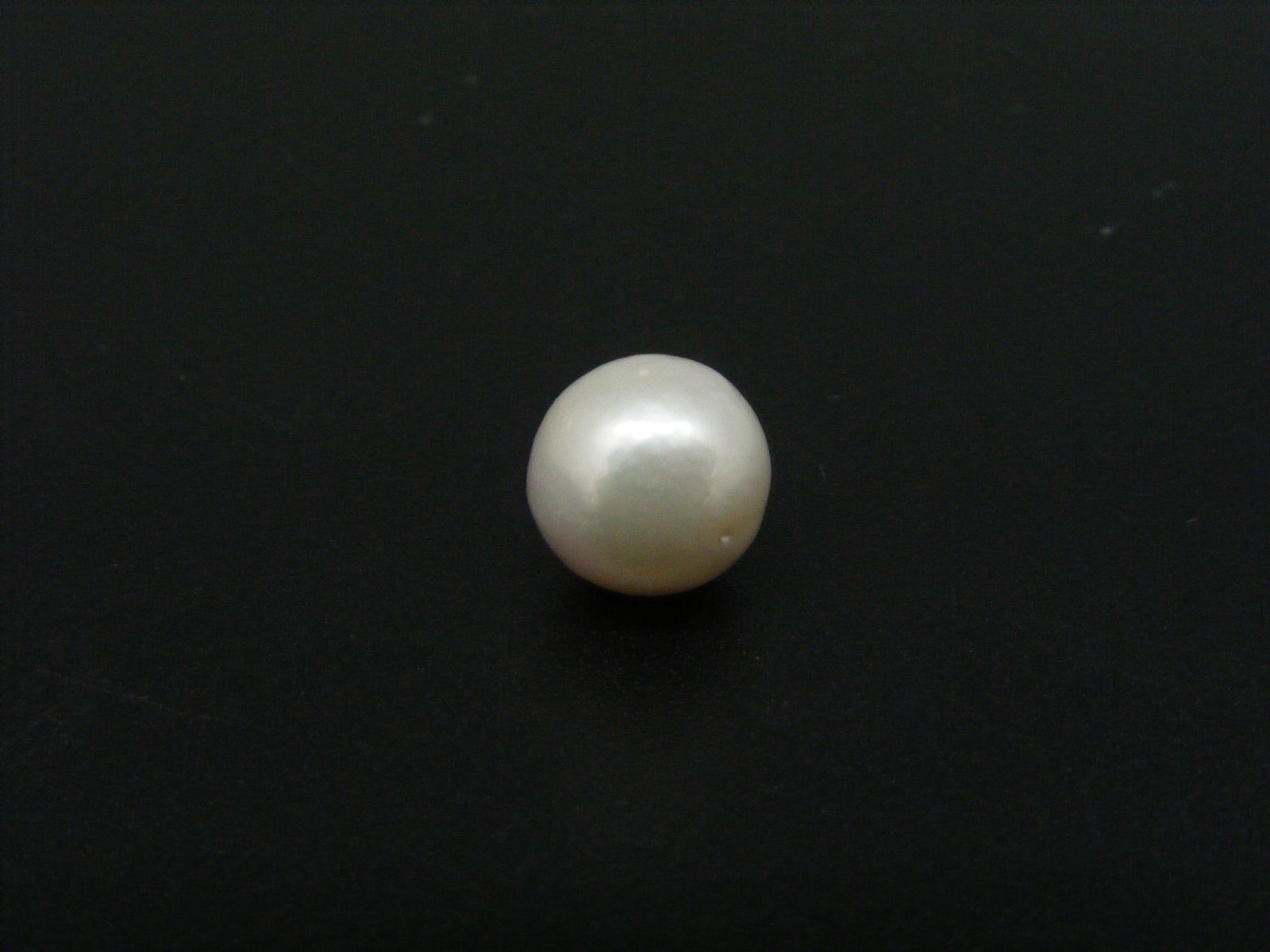
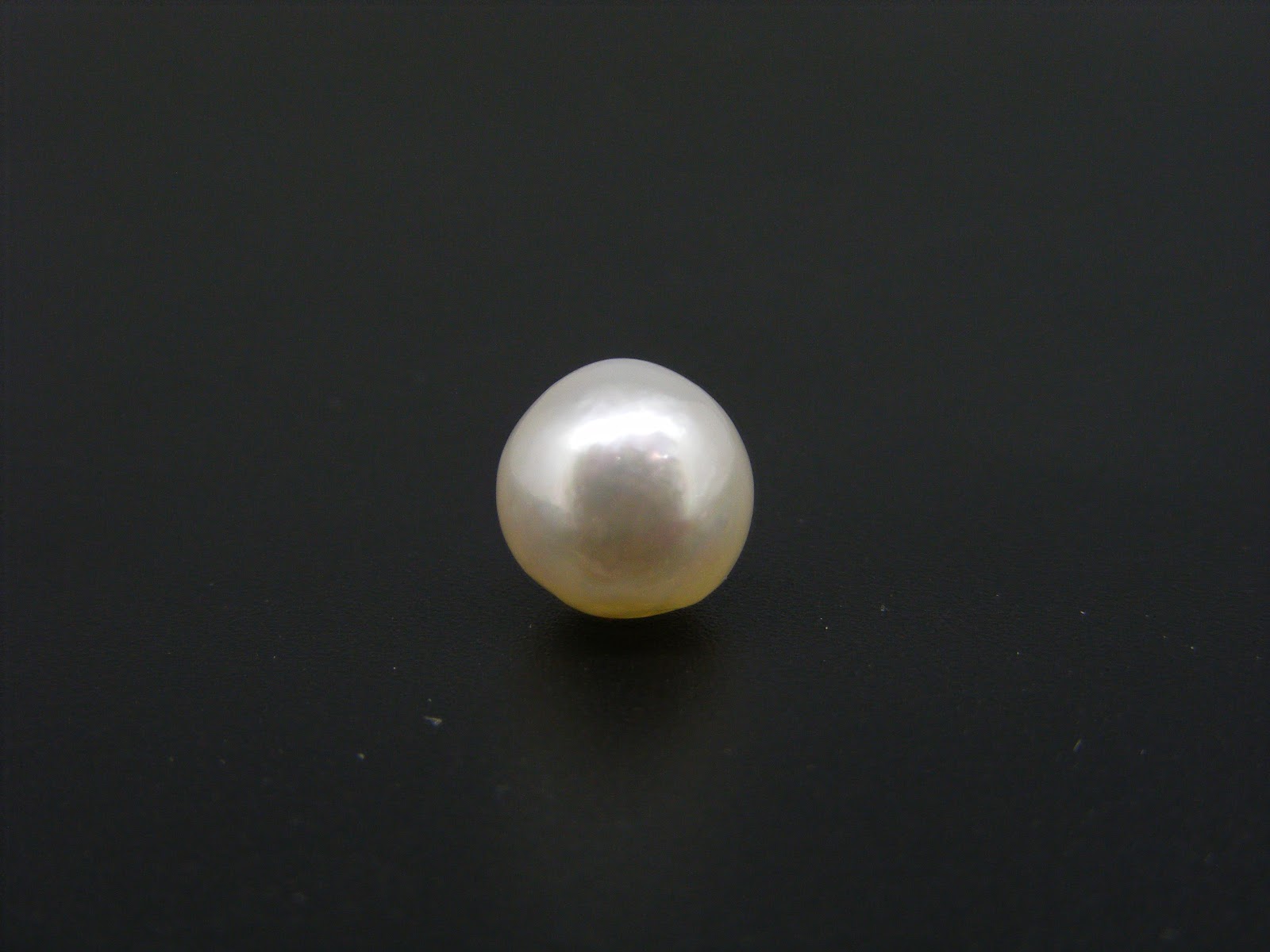
Fresh water Natural Pearl 4.90 - 4.900 Carat / 5.44 Ratti
SKU: PANJIKAR2024-2025/13013B
Origin : Natural
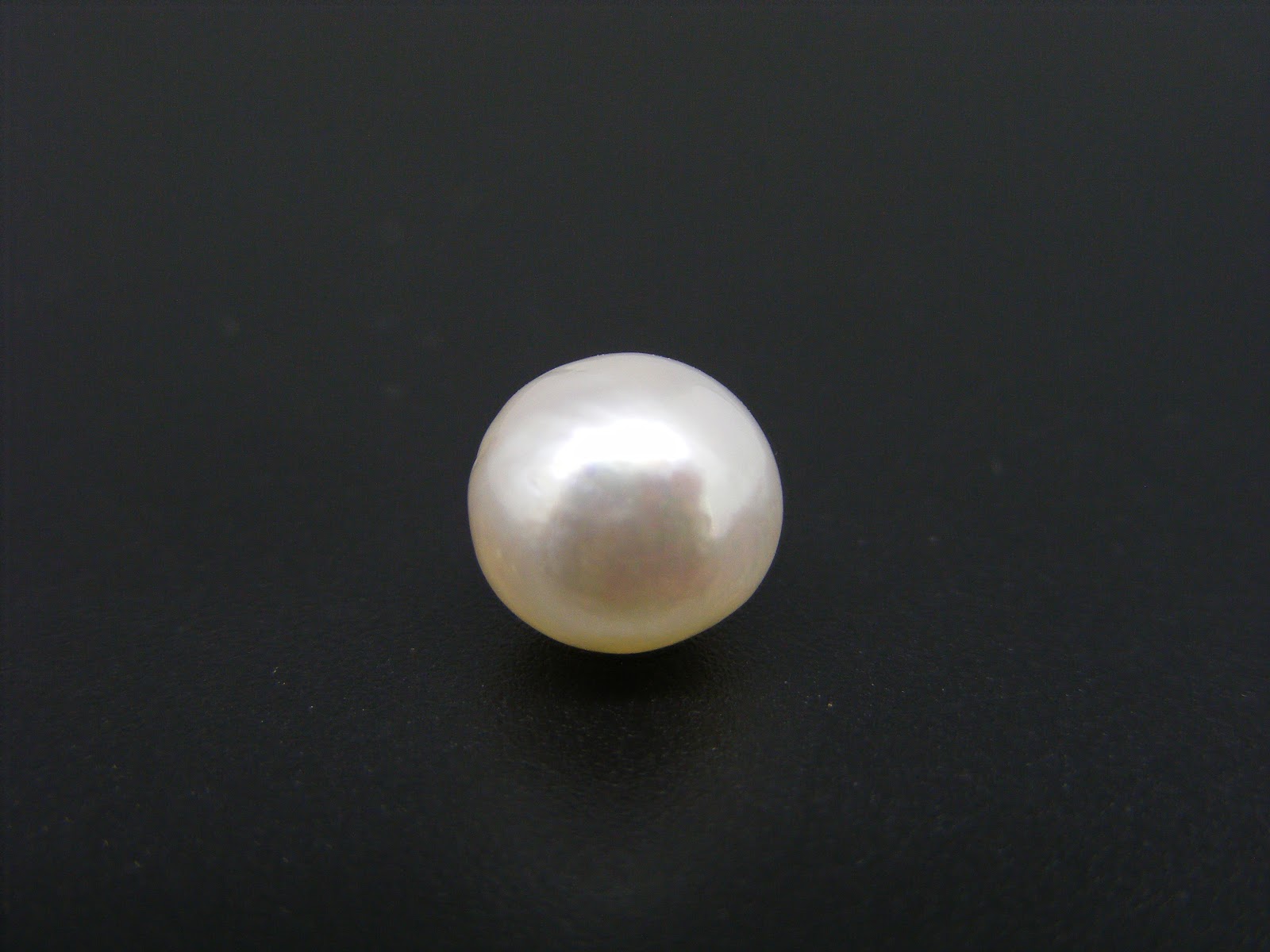
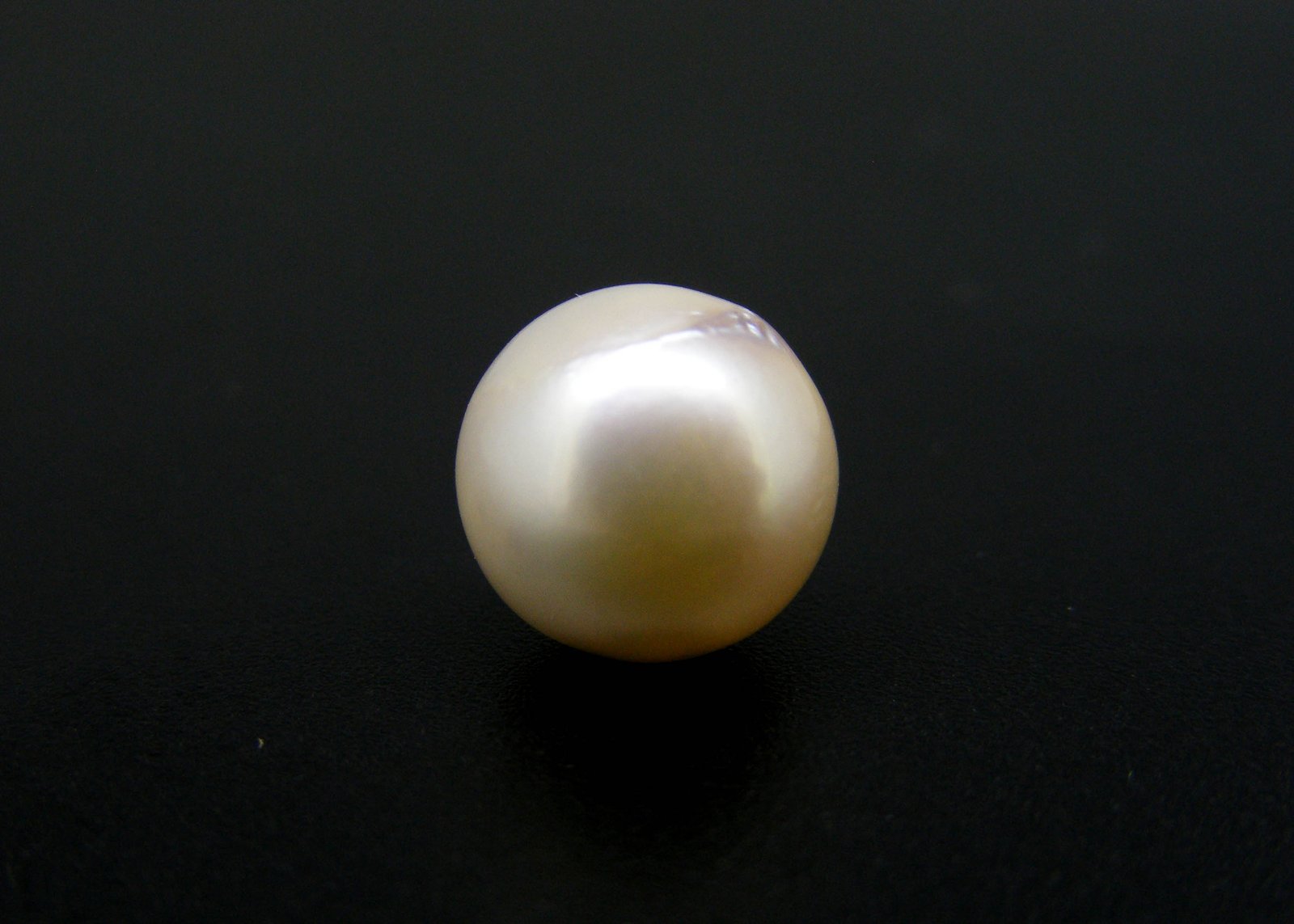
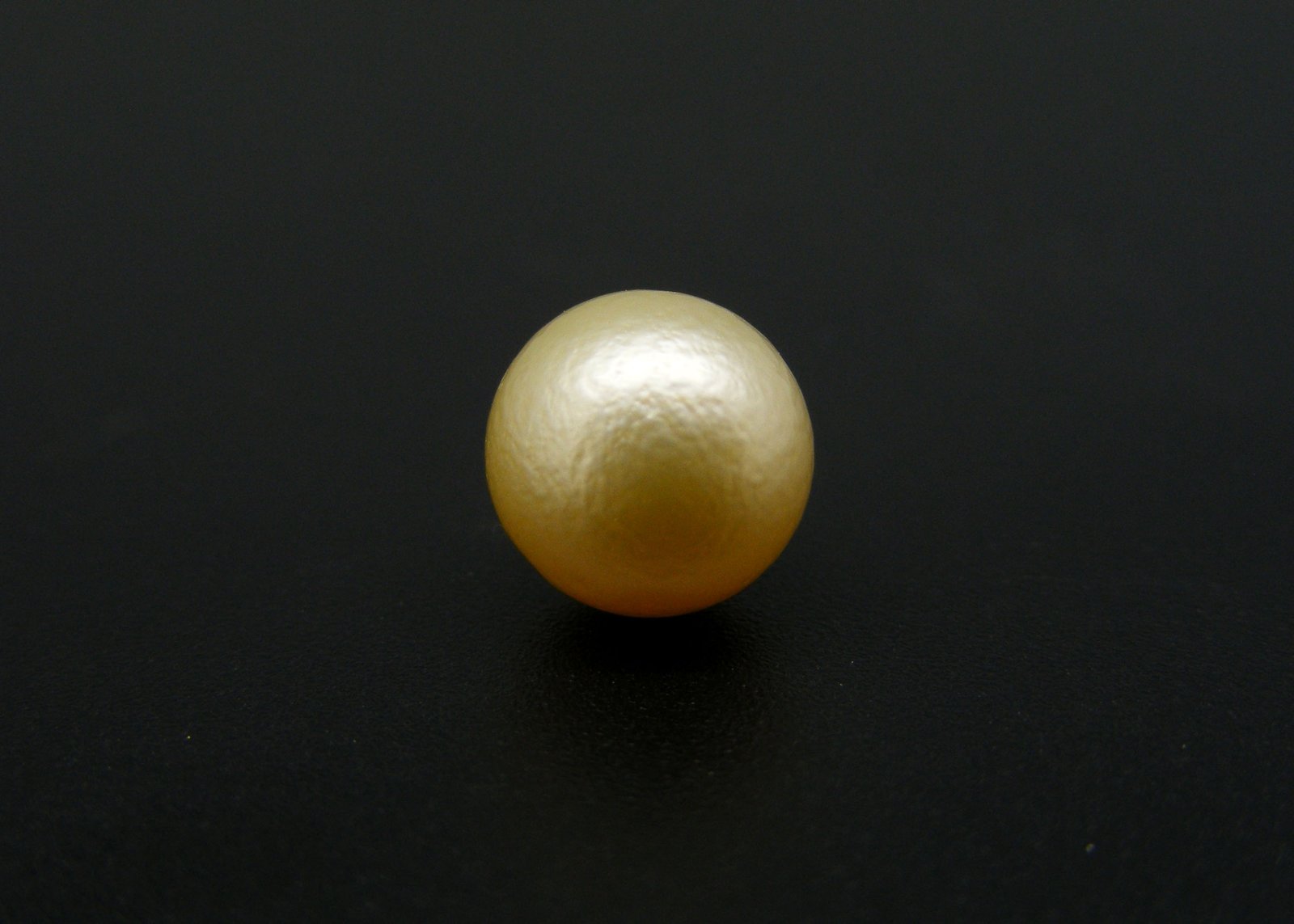
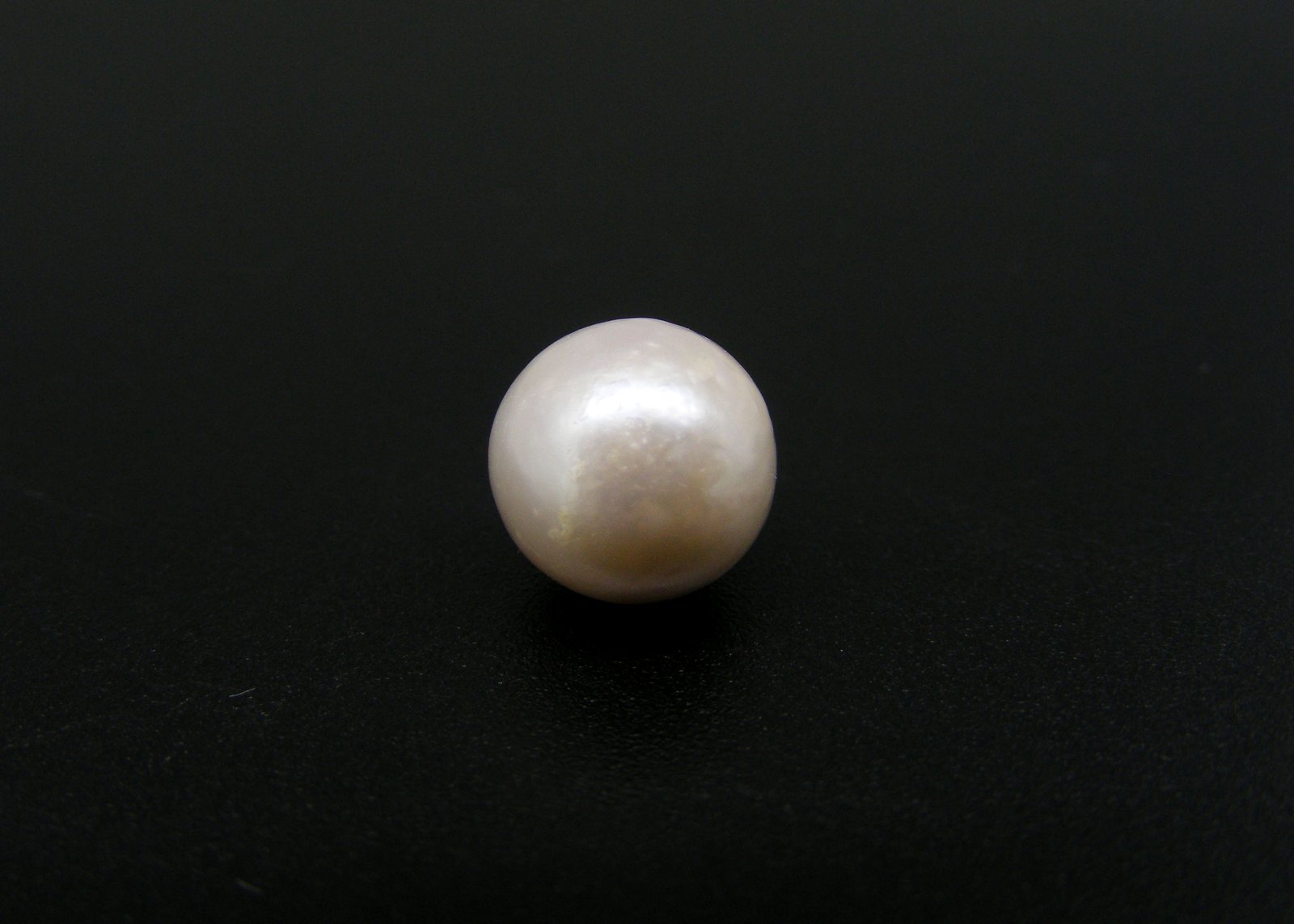
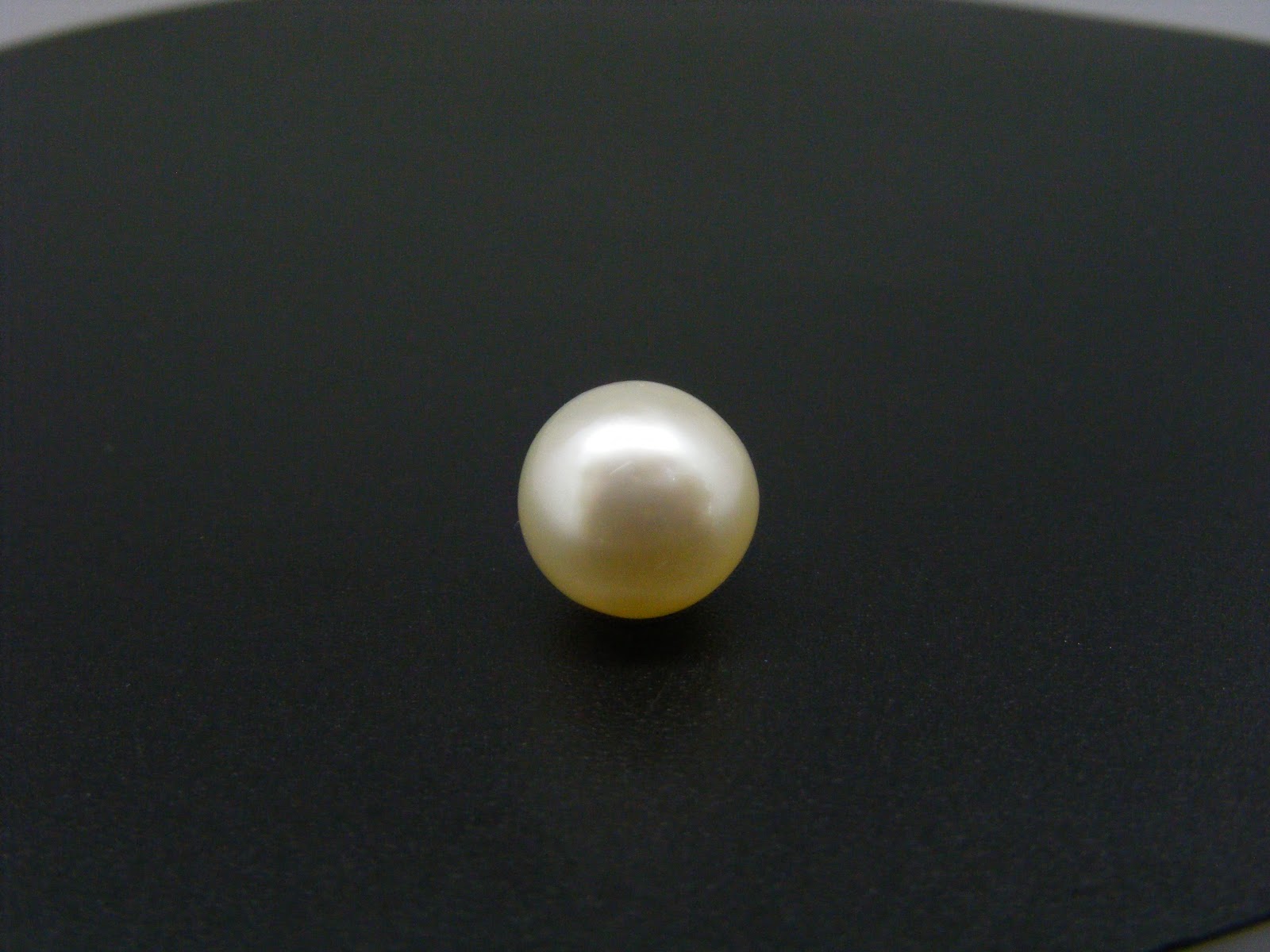
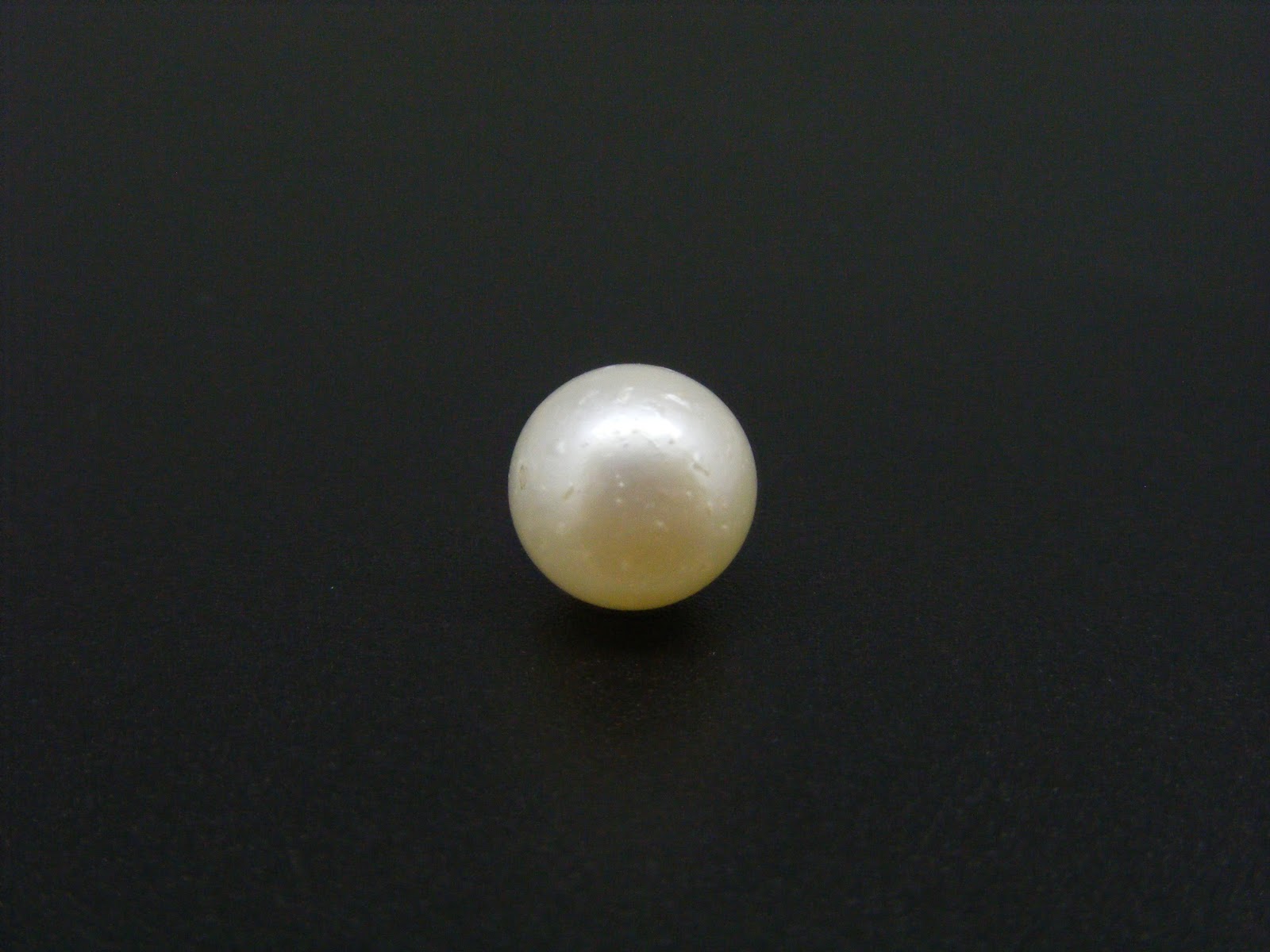
Fresh water Natural Pearl 4.67 - 4.670 Carat / 5.19 Ratti
SKU: PANJIKAR2024-2025/13012B
Origin : Natural